EcoBuild Conclave 2025
Towards Net Zero, Circularity and Inclusivity
India’s vision for Viksit Bharat 2047 lays the foundation for a future that is economically strong, socially inclusive, and environmentally sustainable. With more than half the population expected to be urbanised by 2047, the built environment will be pivotal. High-rise, high-density housing driven by increased Floor Area Ratio (FAR), Transit- Oriented Development (TOD) & premium FAR policies address housing demand yet poses net-zero challenges. This is due to constraints of space for putting up solar panels, STPs and waste systems, high capex (capital expenditure) needs for creating green infrastructure, regulatory issues and perpetual maintenance responsibilities.
The two day conclave assembles real-estate practitioners, developers and academicians to strategize the actionable plan on how urban building typologies can be organised towards net-zero and sustainable real estate.
Who We Are?
Puravankara Limited
Puravankara Limited is a leading Indian real estate developer known for delivering premium residential and commercial projects across major cities. Established in 1975, the company emphasizes quality, innovation, and customer satisfaction. Puravankara caters to diverse market segments, offering luxury, mid-segment, and plotted developments nationwide.
M.S.Ramaiah Institute of Management (MSRIM)
M.S.Ramaiah Institute of Management (MSRIM) was established in 1995 by the Gokula Education Foundation (GEF) and is part of the Ramaiah Group of Institutions in Bengaluru. Driven by the visionary founder, Late Dr. M.S Ramaiah, GEF has forayed into various educational domains including management, medical, and engineering sciences. Today, they stand as one of the most preferred Business schools in Bangalore, consistently ranked among the top 100 B-schools in India.
Purpose- Why attend the event?
Gain practical insights into applying sustainability in real-world projects, business models, and operations. It offers a collaborative forum for real estate professionals to exchange ideas, address industry challenges, and explore actionable pathways toward climate-resilient development. Designed to inspire and educate, the Conclave connects practitioners, innovators, and thought leaders shaping India’s transition towards a sustainable and inclusive urban future.
Speakers
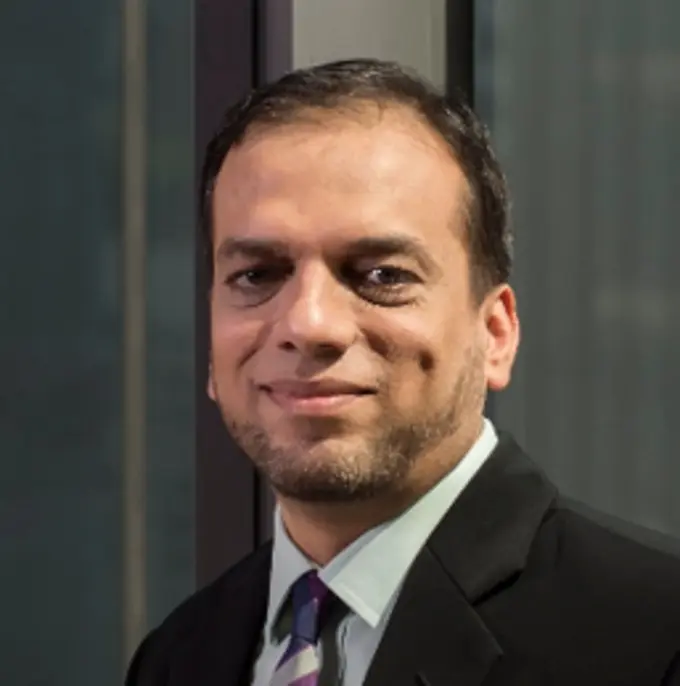
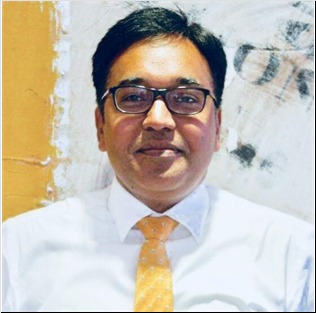
Autif Sayyed
Project Lead for Green buildings - South Asia
International Finance Corporation




Flow of the Event
14th November, 2025
- Day 1 of the Conclave sees architects, engineers, sustainability leaders and real-estate professionals coming to the event for panel discussions and presentations.
- Sessions delve into practical solutions, case studies and frameworks in integrating design, innovating materials and aligning policies.
- Focus on mid-to-senior management practitioners.
15th November, 2025
- Day 2 begins with a senior executive–only presentation on moving an organisation to net zero — from preparedness and strategy to market engagement and community value.
- Followed by a fireside chat between Mr Mallanna Sasalu, CEO of Puravankara Limited and Mr Prasad Vaidya (Indian Institute for Human Settlements).
- Discussion topics include sector readiness, roadmaps to net zero, and scalable innovation.
- The day concludes with participants’ reflections, dialogue, and a Q&A session.
Key Sessions
Explore the themes shaping the future of sustainable development and construction innovation.
Systems Approach for Integrating Sustainability
Urban housing and commercial projects often treat energy, water, and waste as separate silos. This session explores integrated sustainability frameworks covering lifecycle analysis, energy management, and water mapping to achieve synergy and improved performance.
Innovations in Construction Technology and Materials
Fast-track construction technologies, energy-efficient materials, and low-carbon solutions are redefining modern building practices. This discussion highlights trends, supply chain readiness, and policy alignment for sustainability.
Nature & Wellness
Embedding nature-positive strategies into urban projects improves air quality, energy efficiency, and mental well-being. Speakers share models integrating nature and wellness in high-density developments.
Strategies for Net Zero and Circularity
Achieving net-zero and circularity requires practical solutions and ecosystem support. The panel explores case studies, policy enablers, and training needs for skill enhancement.
Synthesis & Way Forward
Key takeaways will be consolidated into actionable recommendations supporting the housing and commercial sectors, aligning with Viksit Bharat 2047 objectives.
Event Highlights and Expectations
-
Fostering collaboration between industry, academia and policy makers.
-
Policy highlights and regulatory inputs for mainstreaming the adoption of net-zero strategies and circularity.
-
Actionable recommendations for scalable solutions.
-
Annual recurring event with focus on follow up of the recommendations and implementation.
Date & Venue
Join us for two impactful days of discussions and innovation
Autif Sayyed leads International Finance Corporation’s Green Building Program in South Asia. He has over 20 years’ experience in sustainable construction in USA, East Asia and South Asia.
He has helped develop IFC’s EDGE system as the fastest growing green building rating system globally, with about 160 million square feet of floor space in India in various stages of green certification, which has facilitated more than USD 3 Billion of IFC’s green building investments to developers, companies, and financial institutions.
Autif also led the technical development of green building codes in 4 countries in Asia. A trained architect and building sustainability expert, Autif worked with Johnson Controls in USA as an Energy Program Manager before joining IFC.
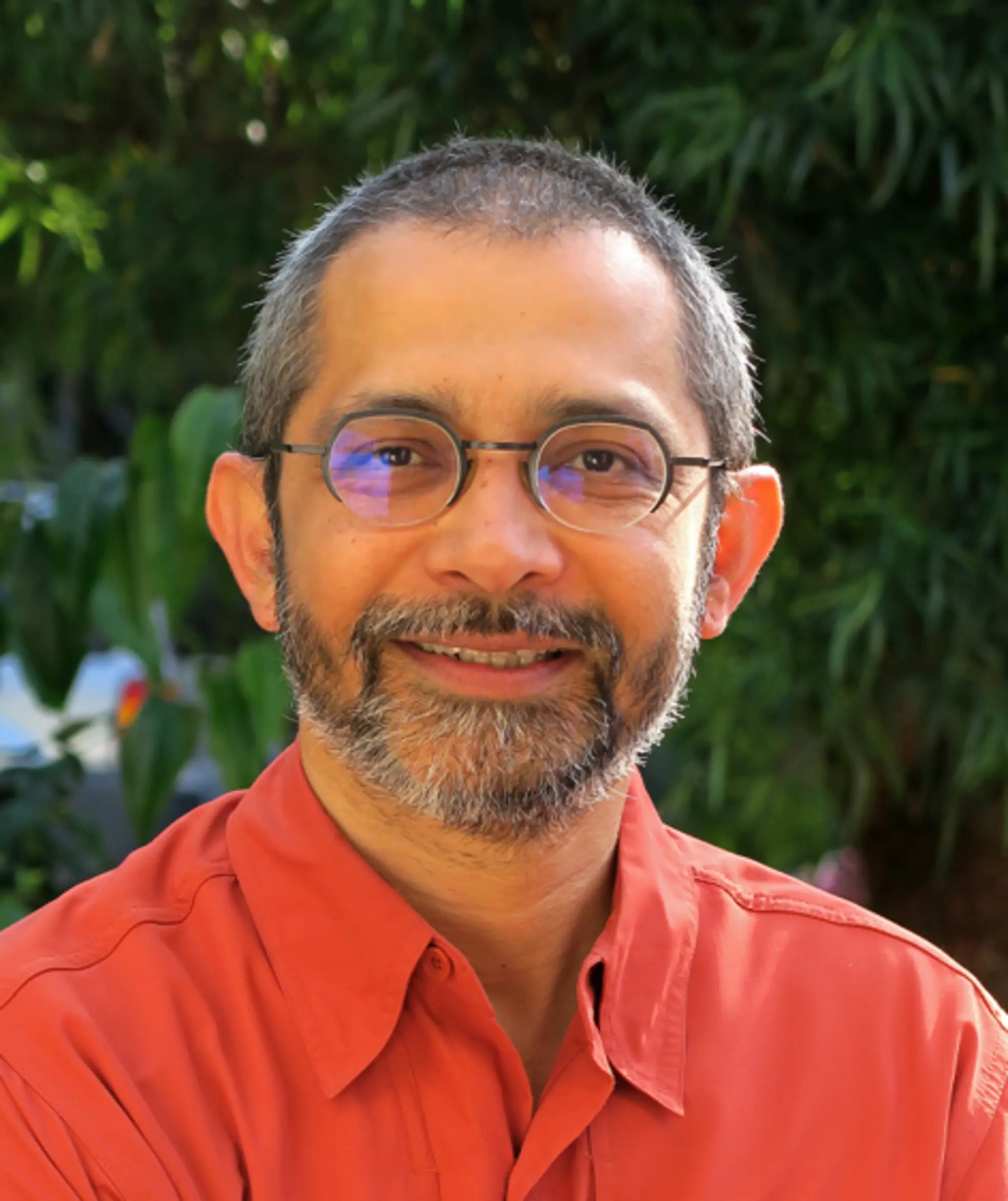
S. Vishwanath is a Civil Engineer and an Urban Planner. He has 39 years of experience in the water, waste-water and sanitation sector helping design rainwater harvesting, aquifer recharge, wastewater recycling and ecosan systems.
He has been a member on various committee including the rainwater harvesting bye-law for Bengaluru city and the wastewater reuse policy for Karnataka state.
He was a visiting faculty and taught a course on the theme – “Water” at the Azim Premji University, Bengaluru, India. He wrote a weekly column called ‘Waterwise’ in The Hindu for 12 years. He is a Trustee with the Biome Environmental Trust (www.biometrust.org). He is a technical committee member with the Bangalore Water Supply and Sewerage Board, and with the Rural Development Engineering Department, Government of Karnataka for the Jal Jeevan Mission scheme. He is an Ashoka Fellow and also the recipient of the Namma Bengaluru Foundation award.
Mrs. Prabhavathi is a sustainability professional with extensive experience across energy transmission, green buildings, green products, and decarbonization strategies for the built environment.
She specializes in integrating sustainability through life cycle analysis, carbon footprint assessment, and emission reduction strategies, ensuring holistic value addition to every project.
Her expertise lies in applying sustainable design tools and best practices while collaborating closely with clients and multidisciplinary teams to drive measurable outcomes.
Prabhavathi has contributed to several landmark projects, including Dr. Reddy’s FTO Campuses (Vizag & Hyderabad), KPCL Bangalore, Divyasree Technopark, MGM Healthcare Chennai, and Technopark Trivandrum, among others.
Passionate about capacity building, she is also involved in training and documentation initiatives that promote a culture of sustainability across organizations.
Sneha Murthy is a distinguished Architect and sustainability leader with over 16 years of experience across the construction industry and academia. As the Sustainability Associate at McD BERL — a pioneering MEP consultancy headquartered in Bangalore — she has championed transformative strategies that reimagine the built environment for a regenerative future.
Her work has been central to the evolution of Net Positive Campuses and buildings that are super energy efficient, water self-sufficient, and carbon neutral, integrating indigenous design principles with cutting-edge engineering. Sneha’s deep expertise in climate-responsive architecture and energy-efficient buildings has positioned her at the forefront of sustainable design innovation.
With numerous publications and architectural innovations to her credit, Sneha’s current focus on Sustainable Urban Scale Cooling aims to enhance thermal comfort by reviving microclimates across urban landscapes. She brings an evidence-based, systems-thinking approach to designing built environments that support long-term resilience and performance.
At leading industry forums, Sneha delivers compelling insights on bridging architectural innovation with sustainability metrics — challenging professionals to design with foresight, functionality, and environmental purpose.
Mr. Deepak has 20 years of experience in guiding projects towards sustainability goals in India and abroad.
Started journey as Research Associate from TERI Delhi. Headed Sustainability team at Space Matrix from 2008 to 2013. Started Mindwagon Sustainable Design in 2014.
Was instrumental in development of sustainability guidelines across the country and different climatic zones for the Royal Government of Bhutan in 2006.
Developed sustainability guidelines for earthquake-affected areas of Jammu and Kashmir as part of a team set by the Government of India in 2007.
As part of Space Matrix and presently as Mindwagon, has led more than 100 projects of different typologies to the highest level of sustainability.
Biomimicry has been a core part of my journey as an architect. Biomimicry refers to the practice of designing and comprehending living systems by drawing inspiration from nature. I've been passionate about the intersection of biomimicry, material science, and design ever since I did my post-graduation on Emergent Technologies & Design from the AA, School of Architecture in London.
I have been directing the AA Visiting School workshops in India with international tutors and students, where I started to look at Air Pollution and how this invisible problem was a common phenomenon around the globe taking millions of lives every year. While I believe Architects should take a large amount of responsibility for the air pollution as the building & construction industry is responsible for about 39% of the total energy-related carbon emissions, I further started to ask the question — Is Air Pollution only a technological problem or does it require an Architectural Intervention?
This led me to the journey of connecting the two worlds – Air Pollution and Architecture. We developed a unique fusion of craft, science & technology to develop building materials made with carbon emissions with a vision of Craft against Climate Change.
Tarun Jami is the Founder and CEO of GreenJams, a climate-tech company pioneering Agrocrete® — the world’s first patented carbon-negative bio-concrete made from agricultural fibres and industrial by-products without using any cement.
As the inventor of Agrocrete®, Tarun has led the company from lab-scale innovation to execution of 16 commercial projects across India. He has represented GreenJams at the World Economic Forum and multiple Indian ministries.
A Forbes Asia 30 Under 30, INK Fellow, and Meaningful Business 100 honoree, Tarun is on a mission to transform buildings into solutions for climate change.
Avik Roy is a product leader with over a decade of experience at the intersection of smart building technologies, real estate, and sustainability.
As Head of Product at Smarter Dharma, he leads the development of SaaS tools that help architects, engineers, and developers design and construct more sustainable buildings. Previously, he led product initiatives at View, Inc., advancing innovation in IoT-enabled building systems.
Combining a passion for sustainability with deep expertise in product strategy and technology, Avik focuses on transforming climate challenges into scalable solutions for the built environment.
Anup Naik is a leading architect, urban designer, and thinker whose close to three-decade career has been dedicated to exploring the intersections of design, sustainability, and urban futures. As the Founder and CEO of Urban Frame Pvt Ltd, his work extends beyond architecture, engaging deeply with the evolving dynamics of cities and communities.
His academic journey — a Bachelor's in Architecture from BMS College of Architecture, a Master’s in Urban Design from the School of Planning and Architecture, New Delhi, and a Ph.D. in Sustainable Architecture from Visvesvaraya Technological University — reflects his commitment to rigorous inquiry and research-driven practice. His projects across India, Morocco, Singapore, and Malaysia integrate indigenous wisdom with cutting-edge urban strategies, demonstrating a nuanced understanding of place and time.
A strong advocate for people-oriented design, Anup believes that architecture and urbanism should be deeply rooted in human experience. His approach emphasizes livability, inclusivity, and the social fabric of cities, ensuring that design serves both function and community well-being.
A thought leader in the realm of sustainable and smart cities, Anup actively contributes to policy dialogues and research, including his involvement with the Smart City Mission. His contributions to urbanism and architectural discourse have earned him recognition, including being named one of India’s Top 30 Architects by Forbes in 2021. Through his work, Anup continues to challenge conventional narratives, fostering cities that are resilient, adaptive, and deeply human-centered.
Gopiprasad Srinivasan, PhD, is an accomplished urbanist and sustainability practitioner in the real estate sector. He currently leads ESG and sustainability initiatives at Puravankara and Provident Housing Limited.
Dr. Gopiprasad earned his Ph.D. in Development Studies, holds a Master’s in Urban Design from the School of Planning and Architecture (SPA), New Delhi, and a B.Arch from MNIT, Jaipur; he has also completed advanced courses in law and regulation.
His career covers a broad range of infrastructure and housing projects across both public and private sectors, including advisory and consulting for multilateral institutions. Dr. Gopiprasad has played a key role in sectoral discussions on net zero transitions, sustainable building practices, non-fiscal planning instruments, urban governance, and organizational future-readiness at various forums.
Currently, he is involved in accelerating project implementation, broad ESG adoption across the organization, and fostering leadership and transformative culture to drive growth and scale.
Dr. Meghna Verma, Ph.D. from IISc Bangalore, brings over 24 years of experience in industry, academia, and research. She has authored 60+ research papers including publications in ABDC and SJR-ranked journals and reviews for leading international publications.
Her research spans consumer behaviour in religious and sustainable tourism, crowd dynamics, sustainable transport, airport retail, and responsible consumption. She continues her research exploration aimed at enhancing quality of life, promoting gender equality, social inclusion, climate change, and sustainability through a marketing lens.
Dr. Verma has presented her work globally at premier institutions including NUS, Copenhagen Business School, Denmark, University of Bremen, TU Darmstadt, IIT Roorkee, IIM Indore, and CEPT Ahmedabad.
Mr. Ashish Rakheja, Managing Partner of AEON Consultants, which is the leading and fastest-growing consulting firm in India with over 250 members, holds a postgraduate degree in Thermal Engineering and brings over 32 years of experience in building services. He has led the design of 4000+ projects across sectors — hotels, airports, hospitals, data centers, and high-rises. A pioneer in sustainable design, he has spearheaded electro-mechanical systems for 11 Net Zero Energy Buildings, 2 Net Zero Water Townships, and 100+ Platinum-rated green projects.
Mr. Rakheja has won many awards and delivered over 2500 talks on various facets of building design across the world. He is an active member of over 20 technical societies and regularly contributes his time to writing standards, codes, and position papers for government bodies and technical societies.
Mr. Rakheja has been recently tasked by the Bureau of Energy Efficiency (BEE, Govt. of India) to chair the working group for creating the Energy Conservation & Sustainability Building Code and also by the Bureau of Indian Standards (BIS) to lead the committee for revision of the HVAC Section for the National Building Code of India 2025. He is also involved in imparting training to budding architects and engineers in the field of building services and serves as a visiting faculty at leading schools in India.
Dr. A.V. Arunkumar, Ph.D. (ISEC), is an economist expertised in development economics, sustainable financing, policy, and risk management.
His areas of interest include MSME development and policy, circular economy, development finance, and risk management.
Dr. Amir Bazaz is a senior researcher and practitioner at the Indian Institute for Human Settlements, specializing in climate change mitigation, sustainable infrastructure, and low-carbon urban transitions.
His work bridges academic research with policy formulation to support inclusive, climate-resilient growth in Indian cities.
Mr. Ashwin Kak is a circular economy strategist and sustainability expert with extensive experience in having implemented programs around agriculture, water stewardship, climate action, circular packaging, and impact entrepreneurship in general.
His work focuses on helping organizations align decarbonisation and design-level transformations with business profitability. Along with his leadership role at Intellecap, he is also on the Sustainability Advisory Board at Goa Institute of Management, is a mentor for start-ups at the German Accelerator, and is a Founder Advisor for the Mexico-based water platform Celeste.
Som Narayan is a sustainability entrepreneur and co-founder of Carbon Masters, a pioneer in circular bioenergy and carbon management solutions.
His company converts organic waste into renewable energy, reducing methane emissions and promoting circular waste-to-energy systems.
Shekar Prabhakar co-founded Hasiru Dala Innovations (www.hasirudalainnovations.com) in November 2015 as a for-purpose company that is focused on Inclusive Circularity® — the deliberate and planned inclusion of waste pickers as an integral part of the evolving circular economy value chain.
He has over 22 years of corporate experience in sales and marketing in the IT industry in India, the UK, and the US, and has also served as a Professor of Marketing for 10 years.
He is a graduate of IIT Madras and IIM Calcutta.
Neeraj has over 24 years of experience in financial strategy, capital management, and corporate governance, and has been with Puravankara Limited for over 13 years.
While at Puravankara, he has played a key role in shaping the company’s financial strategy, optimising capital allocation, and fostering strong relationships with stakeholders within and outside the organisation. He has also driven critical initiatives including ERP implementation, investment decisions, and comprehensive financial planning, which delivered operational excellence and growth.
Prior to his tenure with Puravankara, he worked with reputed organisations including ICICI Bank Limited, Indiabulls Housing Finance Limited, and BSNL.
Gautam Khot is a Managing Partner at 7th Gen Ventures, an early-stage fund that invests in deep science and deep tech-focused climate tech startups.
In a career spanning over three decades, Gautam has been a technology leader involved in startups across diverse focus areas. Prior to 7th Gen, he was the CTO in Residence at Brigade REAP, Asia's earliest PropTech accelerator, where he mentored over 60 startups to build scaled impact for the built environment.
Gautam is a professionally trained craft brewer, an avid long-distance motorcyclist, and a published wildlife photographer.
Prasad Vaidya is the Director of Solar Decathlon India, and is a Senior Advisor to IIHS and AEEE. His 30-year career has been focused on sustainability and energy-conscious design — from passive and low-energy design to net-zero projects spanning India, the USA, the Middle East, and Korea.
He has also worked on energy policy and utility programs in the US and India. He was a partner at The Weidt Group in the USA until 2012. He started the Master's program in Building Energy Performance at CEPT University, where he was the Professor and Area Chair until 2019.
He is on the board of advisors at multiple academic institutions in India. He is a widely published researcher, and his book on Integrated Design serves as a textbook for building curricula.
In 2020, Prasad initiated Solar Decathlon India, which is now the largest net-zero building challenge in the world with participation from over 300 colleges and partnerships with 450 developers and manufacturers.
Mallanna Sasalu, the dynamic CEO of Puravankara Limited, helms operations across nine cities, overseeing an impressive portfolio of 50 million+ square feet of residential development.
With his unmatched understanding of the real estate business, rooted in decades of hands-on experience, Mallanna is actively engaged in varied aspects of a project lifecycle — starting from land acquisition, product conceptualisation, and architectural design to market penetration — which culminate in enhanced living experiences for customers and deliver maximum profitability to stakeholders.
While his illustrious career in real estate development is well-known, Mallanna's versatility extends to nurturing startups and private equity fundraising. His financial acumen is evident in securing a substantial $250 million from elite private equity circles and prominent commercial banks, driving the company to unparalleled heights.
His forward-thinking vision manifests itself in the diverse range of real estate projects he has led, including commercial, residential, retail, hospitality, and mixed-use assets, with a combined value exceeding $1 billion and expansive developments spanning 10 million square feet across three major real estate companies.
Mallanna's academic accomplishments are as impressive as his career milestones. He is an alumnus of the prestigious Harvard Business School and holds a bachelor's degree in civil engineering. His approach to transforming business has enabled him to add exponential value to companies across India, Canada, and the Asia-Pacific region, showcasing his cross-cultural finesse and adaptability.
DISCLAIMER
- All trademarks, names, logos belong to the respective organisations.
- The views and opinions expressed by the speakers are solely their own and do not necessarily reflect those of the organisers.
- Copyrights reserved
- This is a non-profit initiative, conducted purely for learning purposes.